

Butuan City, located on the Agusan River in northeastern Mindanao, is a fascinating place full of history, culture, and modern dynamism. The city is considered the gateway to the Caraga region and delights visitors with its unique blend of tradition and progress.
Agusan River
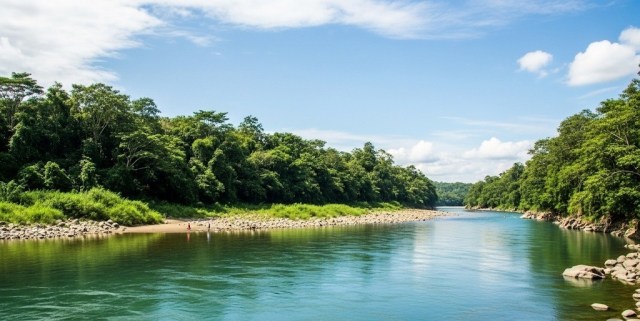
It is the third longest river in the Philippines and plays a central role for the city, both historically and economically. The Agusan River is an impressive and vital river in the Philippines, especially for the Caraga region and Butuan City. It is the third longest river in the country and the longest on Mindanao, stretching about 390 kilometers. It drains a large part of the Caraga region.
History Goes Back Long Before Magellan’s Arrival
Historically, Butuan has been an important center: archaeological finds, such as the famous Balangay boats, testify to a rich maritime past and make the Butuan National Museum a must-visit for culture enthusiasts. The Banza Church Ruins tell of the colonial history, while the Bood Promontory Eco Park commemorates the first Christian mass on Philippine soil.
Kingdom of Butuan
Pre-colonial Era (Rajahnate of Butuan): Butuan was already a thriving Indianized kingdom in the 10th and 11th centuries, known as the “Rajahnate of Butuan.” It was an important trade center with extensive relations to other Asian kingdoms, including China (Song Dynasty), Champa (Vietnam), and the Srivijaya Empire. Archaeological finds demonstrate advanced metallurgy (especially gold processing) and shipbuilding technology.
Archaeological Discoveries: The city is famous for the discovery of nine “Balangay” boats, ancient ocean-worthy wooden boats dating from the 4th to 13th centuries AD. These finds, along with gold ornaments, Chinese ceramics, and other artifacts, prove Butuan’s importance as a maritime trade center in Southeast Asia. The National Museum in Butuan City houses many of these treasures.
Magellan visited the area in 1521

Arrival of the Spaniards: Ferdinand Magellan is said to have visited the mouth of the Agusan River in 1521. There is historical debate whether the first Christian mass on Philippine soil actually took place in Butuan or on the island of Limasawa. The Spaniards began missionary work in the late 16th century and established a Jesuit mission.
Spanish Colonial Period: Butuan was an important outpost in early Spanish times and was frequented by ships from Borneo and Luzon. However, the city was also attacked by Moro pirates, leading to the destruction of early churches, as evidenced by the ruins of the Banza Church.
Development into a City: Over history, Butuan City had to be relocated several times due to flooding. The present city was established at its current location. In the 20th century, especially due to the booming timber industry, Butuan grew further and was granted city status in 1950.
The Agusan River has been and remains a central part of Butuan’s history, providing fertile land and serving as an important transport and trade route.
Butuan City Today

Butuan is more than its past. The city offers a vibrant downtown with colorful markets, cozy cafés, and the impressive St. Joseph Cathedral. At Guingona Park, locals enjoy the relaxed city life. Nature lovers are drawn to the Delta Discovery Park and numerous boat trips on the Agusan River.
Butuan City combines authentic Filipino hospitality with a growing economy and is an ideal starting point to explore Mindanao. Those seeking history, culture, and warm people will gather unforgettable impressions here.
Butuan as a Travel Destination?
Yes, definitely. It has many beaches and some tourism, although it is not the typical beach destination like Boracay or Palawan. Butuan City lies on Butuan Bay and actually has several beaches that can be visited, often just a short drive from the city center. These include:
-
Masao Beach: Historically significant as it is near the place where Magellan may have first set foot in the Philippines. It is a popular spot for locals and offers a relaxed atmosphere.
-
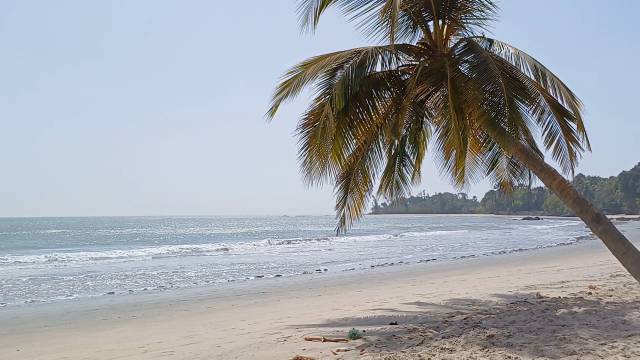
… there are some nice beaches in the area Cubi Cubi Beach, Jabonga Beach, Tubay Coastline, Tinago Beach, Vinafor Beach: These and other nearby beaches offer opportunities for sunbathing, swimming, and relaxing. Some have resorts and cottages. The beaches are known for their fine sand and calm waters.
Tourist Life
Tourism in Butuan focuses more on its rich history and culture as well as inland nature experiences, but also offers modern amenities:
-
Historical Sites: The Balangay Shrine Museum with the ancient Balangay boats, the Butuan National Museum with pre-colonial artifacts, and the Banza Church Ruins are main attractions. The Bood Promontory Eco-Park marks the alleged site of the first mass.
-
Nature & Adventure: The Agusan River offers boat rides and the chance to explore the vast Agusan Marsh Wildlife Sanctuary, a paradise for birdwatchers and nature lovers. The Delta Discovery Park offers adventure activities like ziplining. Nearby mountains and waterfalls provide hiking and relaxation opportunities.
-
Urban Amenities: Butuan is a growing city with modern shopping centers like Robinsons Place Butuan and SM City Butuan, which offer restaurants, cinemas, and shops. There is also a range of hotels, from budget accommodations to upscale options.
-
Gastronomy & Nightlife: There is a variety of restaurants offering both local specialties and international cuisine. Nightlife is not as vibrant as in larger cities but includes bars, karaoke bars (KTVs), and some live music venues, especially on weekends.
Summary
Butuan City offers a good mix of history, nature, and urban comfort, making it an interesting destination for travelers seeking more than just beach vacations.
…….
Who visited Butuan City in July 2025 by:
BellaCoola Film Production UG (Limited Liability)
Mr. Oliver Gaebe
Eythstr. 10
D-51103 Cologne
Germany
Web: http://www.bellacoola.de
Email: bellacoola-liefert@die-besten-bilder.de
Phone: +49 179 6004547
Du muss angemeldet sein, um einen Kommentar zu veröffentlichen.